13 Jul 2024
The Blue Call for the Future of the Archipelago's Seas
For the Indonesian nation, the sea is not merely a boundary, but the pulse of life, a heritage of wealth, and an endless space that shapes our identity as a maritime nation. Behind the blue waves lies an invaluable biodiversity: colorful coral reefs, seagrass beds that provide food, and millions of species of biota waiting to be protected. However, our oceans are now calling with an urgent whisper. The threats of destructive fishing, suffocating plastic pollution, and the impacts of climate change have damaged the ecosystem.
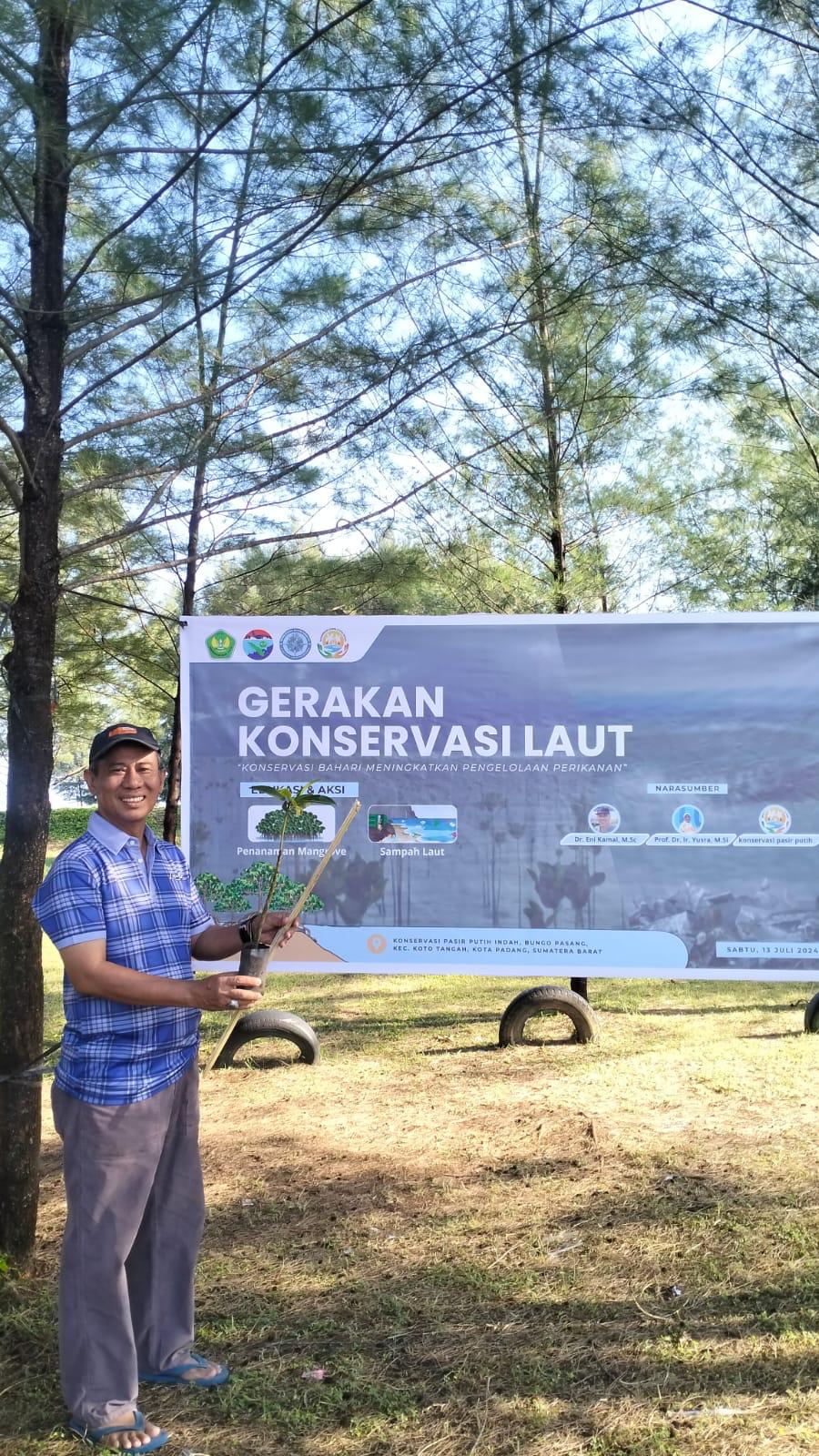
The marine conservation movement is not just the duty of the government or a handful of activists. It is a manifestation of care implemented through real action across various layers of society. From planting mangroves on the coast to combat abrasion, to coral reef transplantation beneath the surface, every seedling and coral fragment planted is an investment for the future. Thousands of hands cleaning the beaches of plastic waste are proof that we are determined to restore the sea's natural beauty, ensuring that fish, turtles, and marine mammals are free from plastic traps and toxins. The designation and effective management of Marine Conservation Areas (KKP/MPAs) is a key strategy to give the sea 'rest,' where biota can breed without disturbance, ensuring the availability of sustainable fishery resources.
Marine conservation is the fastest way to realize the prosperity of coastal communities. When coral reefs recover, fishermen's fish catches increase. When mangrove forests are lush, villages are protected from storms and floods. Conservation is the true Blue Economy—an economy that grows by preserving, not destroying.
© 2026 SDGs Center Universitas Bung Hatta